Dudhwa National Park Wildlife Safari
Overview
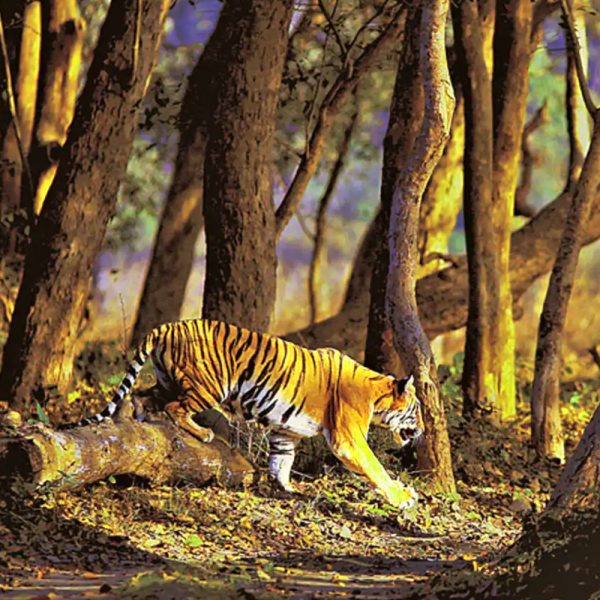
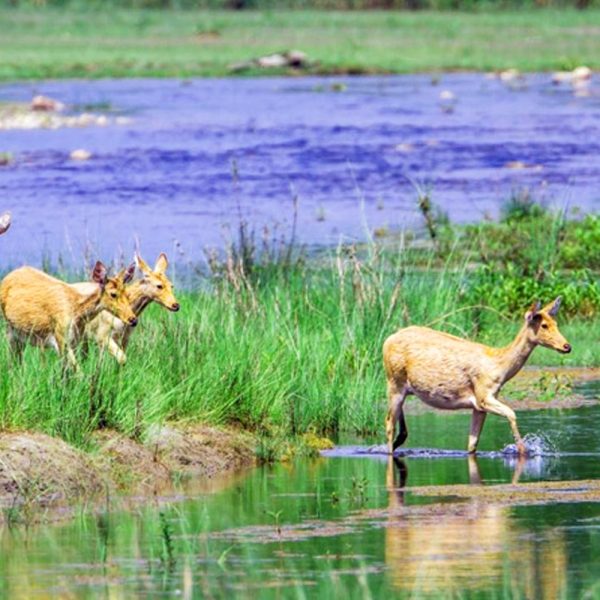
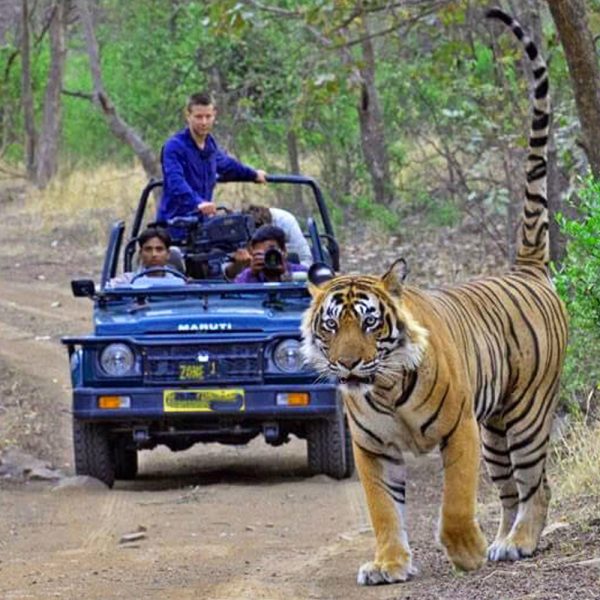
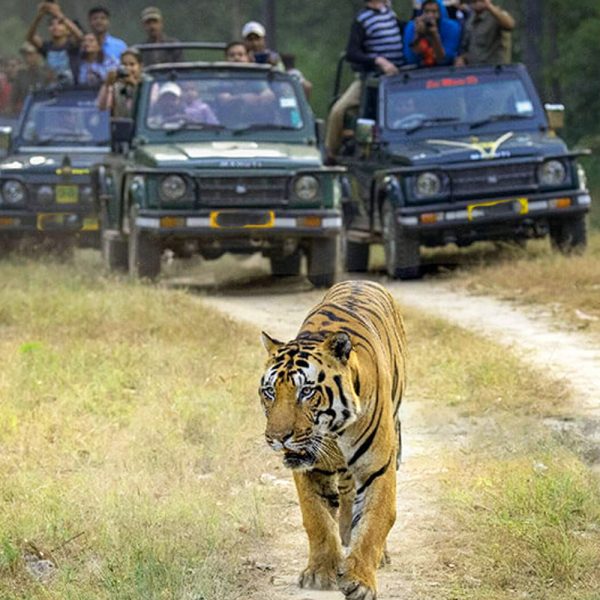
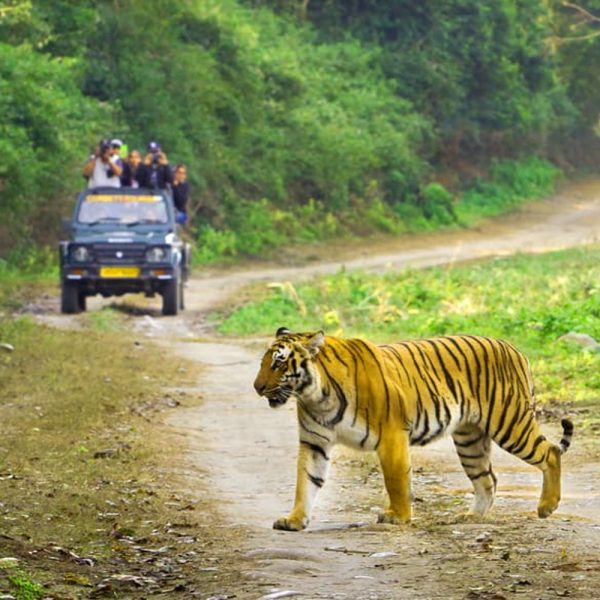
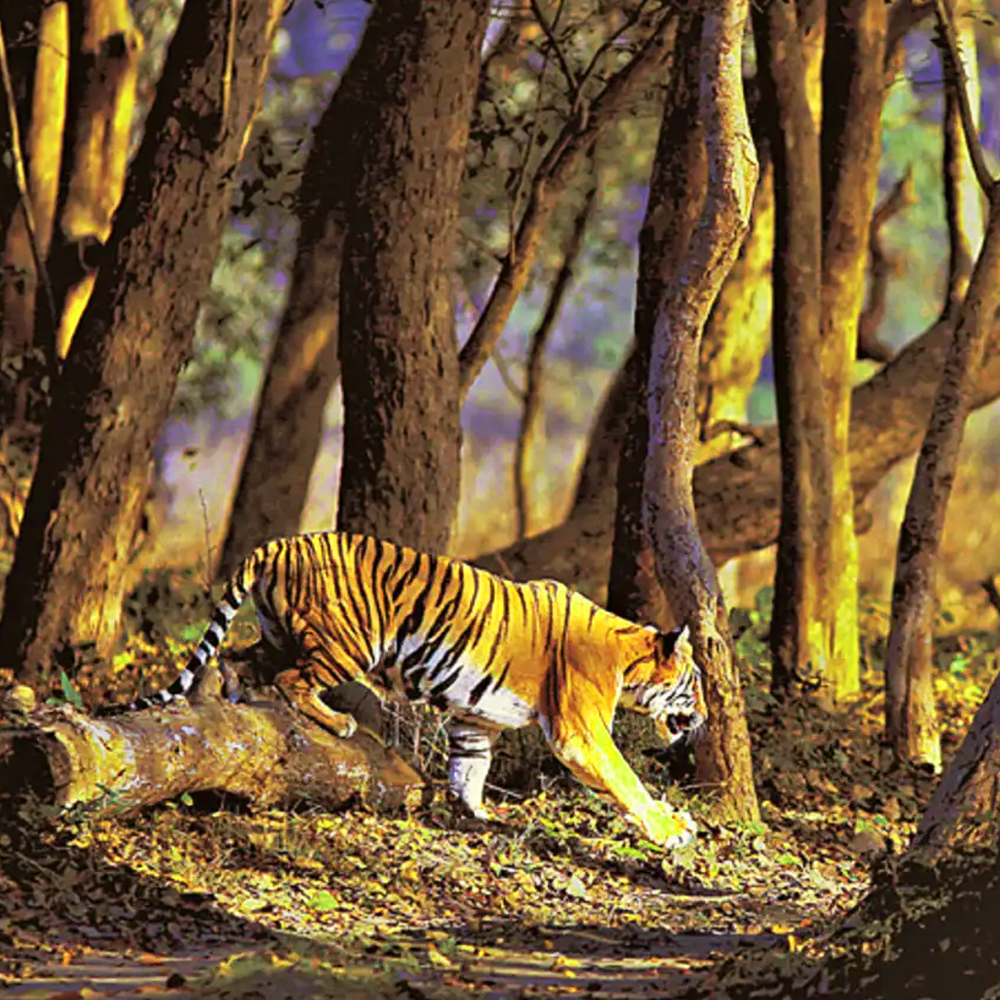
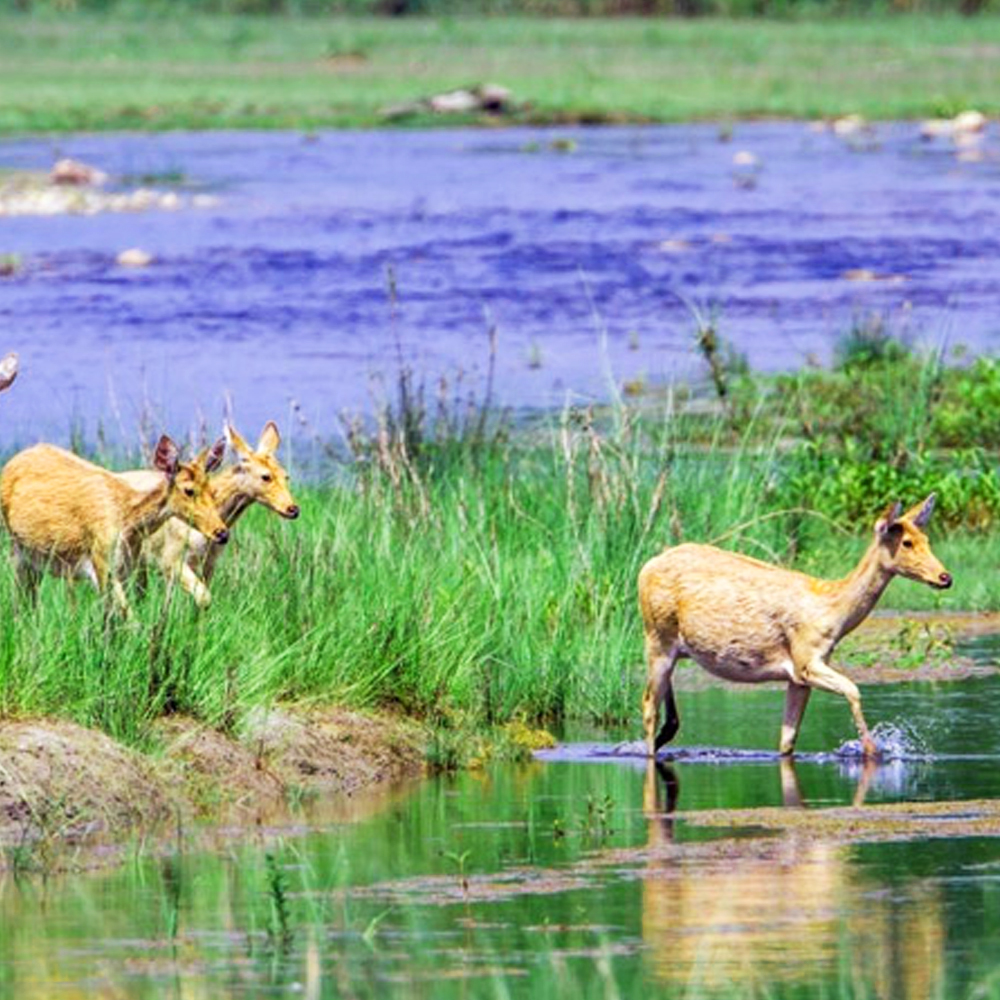
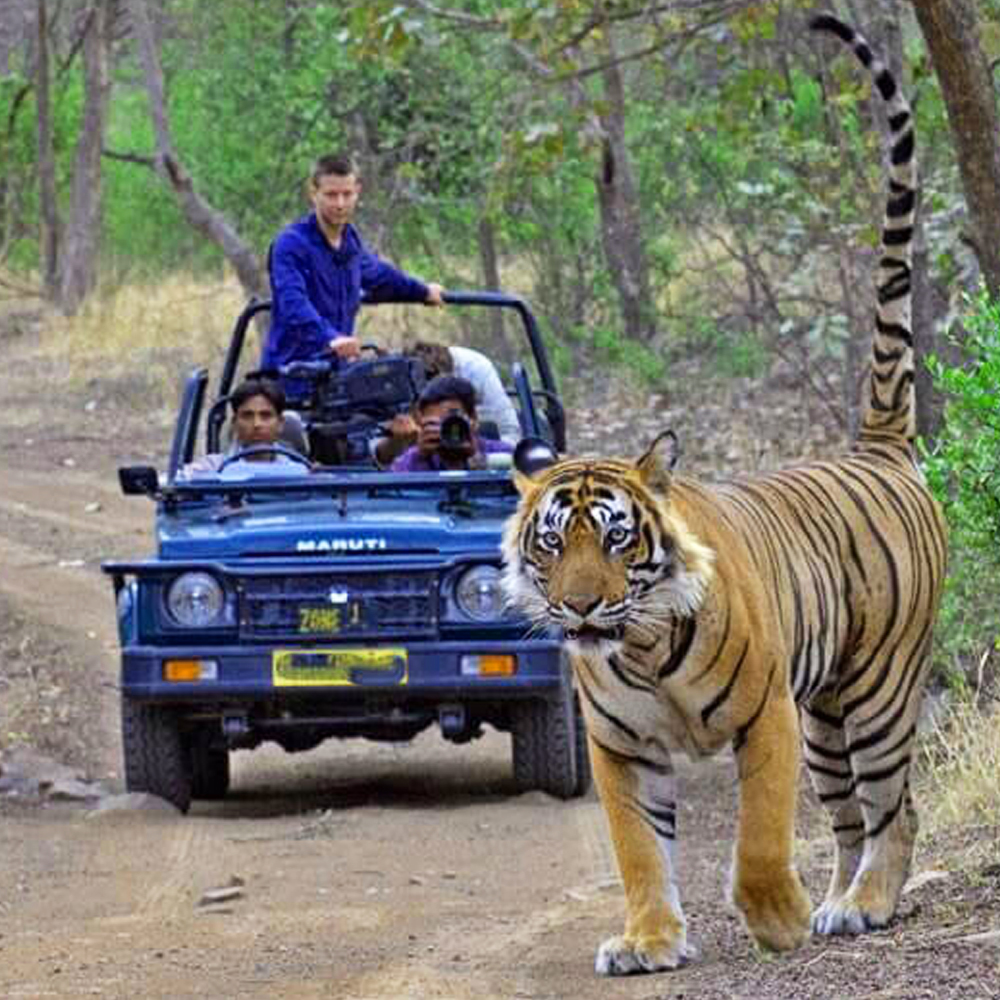
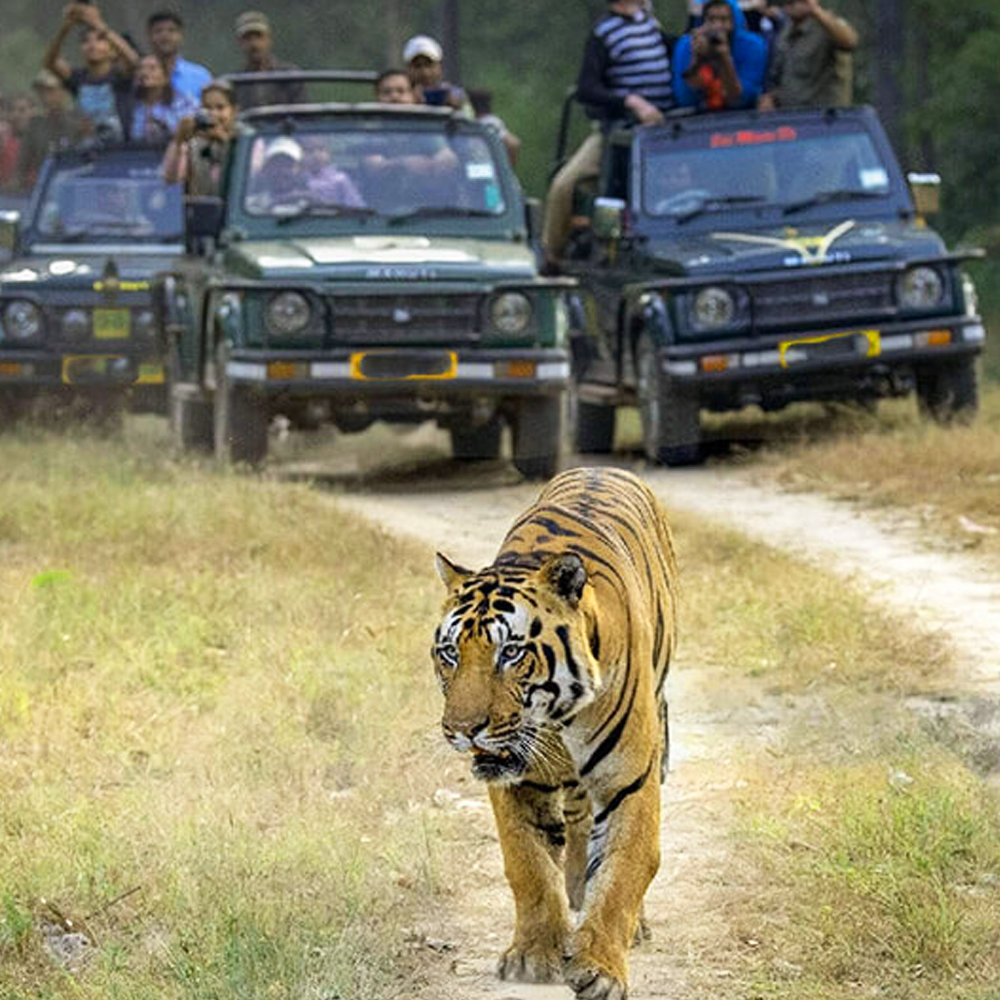
Dudhwa National Park, nestled in the Terai region of Uttar Pradesh, offers an authentic wildlife safari experience. It’s renowned for its thriving populations of Bengal Tigers and the majestic Swamp Deer (Barasingha), the state animal of Uttar Pradesh, which can be seen in large herds. Visitors also have the unique opportunity to spot the reintroduced Indian One-horned Rhinoceros, making it one of the few places in India to witness this impressive creature. Other frequently sighted animals include leopards, sloth bears, Indian elephants, wild boars, and various deer species. The park’s diverse habitats of dense Sal forests, grasslands, and wetlands also make it a paradise for birdwatchers, with over 450 resident and migratory species, including the rare Bengal Florican. Jeep safaris are the primary way to explore, offering a chance to delve deep into this less-crowded wilderness and observe its rich biodiversity.

Included/Exclude
- Pick and Drop Services
- 1 Meal Per Day
- Cruise Dinner & Music Event
- Visit 7 Best Places in the City With Group
- Additional Services
- Insurance
- Food & Drinks
- Tickets
Tour Plan
- Morning/Afternoon: Arrive at Dudhwa National Park. The nearest major railway station is Dudhwa itself or Palia Kalan. You might arrive by road from Lucknow or Delhi. Transfer to your pre-booked accommodation (either a Forest Rest House inside the park or a resort/hotel near the main gate).
- Lunch: Have lunch at your accommodation.
- Afternoon (3:00 PM - 6:00 PM approx.): Head for your first Jeep Safari into one of Dudhwa's zones (e.g., the Dudhwa zone itself).
- This initial safari is an opportunity to get acquainted with the forest, its sights, and sounds. Look out for the magnificent Swamp Deer (Barasingha), various deer species (Spotted Deer, Hog Deer, Sambar), wild boars, and a rich variety of birds. Keep an eye out for fresh pugmarks for a chance to spot the elusive Tiger or Leopard.
- Evening: Return to your accommodation. Relax, enjoy the tranquility of the forest, and discuss your safari sightings.
- Dinner & Overnight: Dudhwa (Forest Rest House or Resort).
- Early Morning (6:00 AM - 9:30 AM approx.): Embark on your second Jeep Safari. This is often the best time for wildlife viewing as animals are more active.
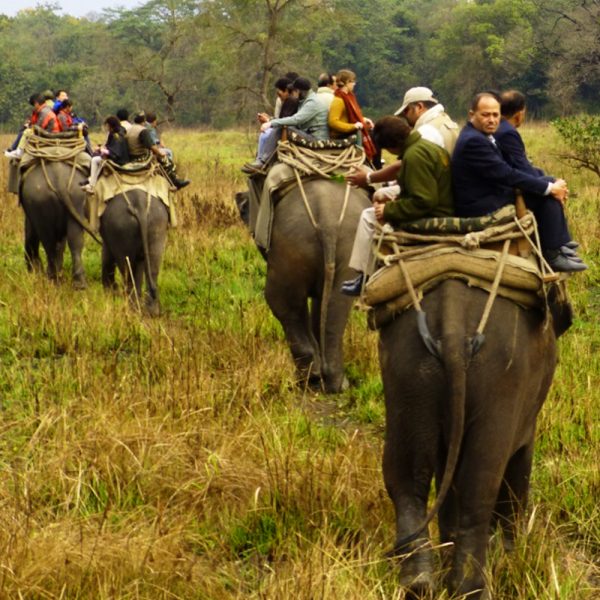
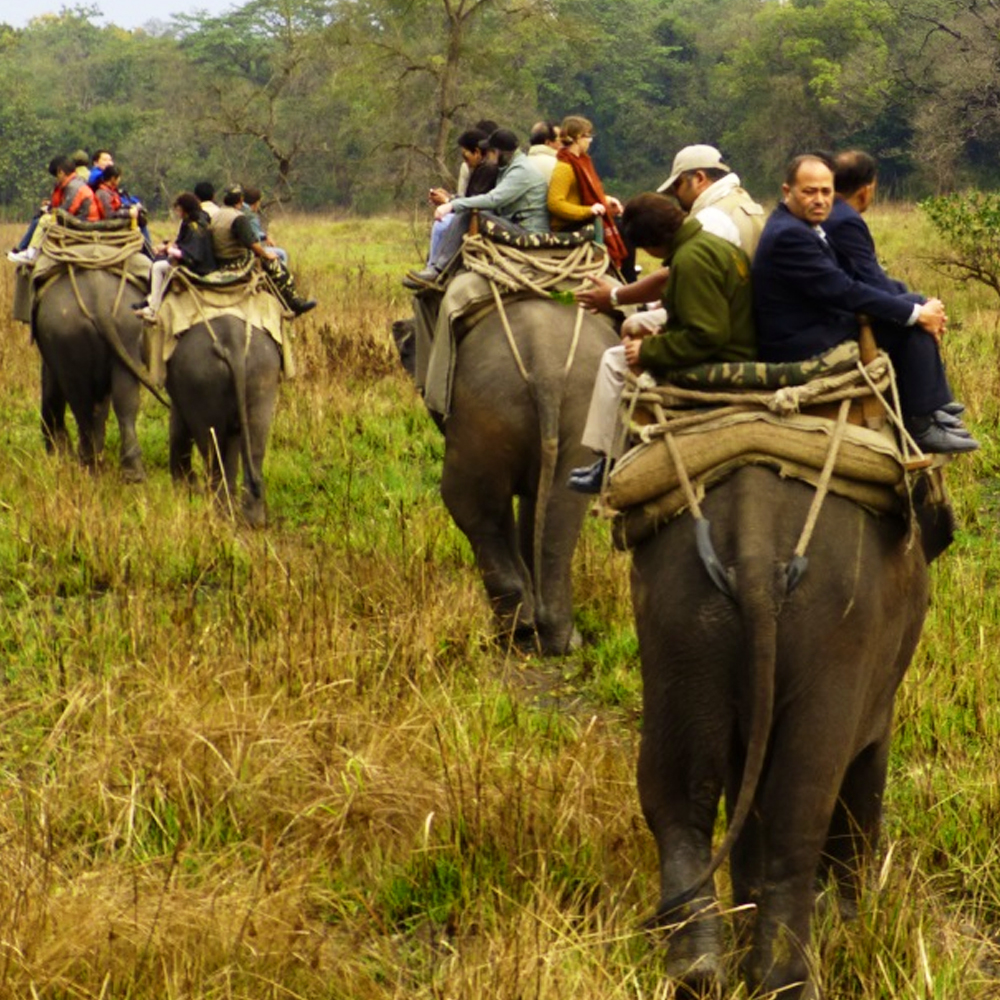
- Consider heading to the Sonaripur Range (part of Dudhwa zone) which is known for its one-horned Indian Rhinoceros reintroduction program. You might also opt for an Elephant Safari in the Rhino Area for a unique perspective (often needs to be combined with a morning jeep safari).
- Mid-morning: Return to your accommodation for breakfast.
- Late Morning/Afternoon:
- Birdwatching/Nature Walk: If staying inside the park, you can often take a guided nature walk around your accommodation or explore designated areas for birdwatching. Dudhwa is a birdwatcher's paradise with over 400 species, including the Bengal Florican and Sarus Cranes.
- Leisure/Rest: Relax after the early morning safari.
- Afternoon (3:00 PM - 6:00 PM approx.): Go for another Jeep Safari, perhaps exploring a different zone like Kishanpur Wildlife Sanctuary (a separate zone, about an hour's drive) for varied sightings and excellent birding opportunities around the Jhadi Taal.
- Evening: Enjoy a relaxing evening. You might hear the calls of various nocturnal creatures.
- Dinner & Overnight: Dudhwa.
- Morning (Option 1: More Wildlife):
- Early Morning Safari (6:00 AM - 9:30 AM approx.): Opt for a final morning Jeep Safari in a zone you particularly enjoyed or one you haven't explored yet.
- Optional (if time permits & prior booking): Katarniaghat Wildlife Sanctuary: If you have an interest in aquatic wildlife and river safaris, you could drive to Katarniaghat (approx. 2-3 hours drive from Dudhwa, requires separate safari booking). Here, you can take a Boat Safari on the Girwa River to spot endangered Gharials, Mugger Crocodiles, freshwater Turtles, and even the Gangetic Dolphin. This would make it a longer day.
- Morning (Option 2: Departure):
- Enjoy a leisurely breakfast at your accommodation.
- Depending on your departure schedule, you can spend some time reflecting or visiting any nearby minor attractions outside the park.
- Check-out & Departure: Check out from your accommodation and begin your journey back to your onward destination.
- Best Time to Visit: The park is open from November 15th to June 15th.
- November to March: Ideal for pleasant weather and good wildlife sightings as animals tend to be more active and vegetation is less dense. December to February can be quite chilly, especially in the mornings.
- April to June: Hot, but increased chances of tiger sightings as animals frequent waterholes.
- Safari Zones: Dudhwa Tiger Reserve includes Dudhwa National Park, Kishanpur Wildlife Sanctuary, and Katarniaghat Wildlife Sanctuary. Safaris are conducted in various zones, each offering a unique experience (e.g., Sonaripur for rhinos, Kishanpur for tigers and birding, Katarniaghat for gharials, dolphins, and tigers).
- Safari Types: Jeep safaris are the most common. Elephant safaris are available in the Dudhwa Rhino Area, often combined with a morning jeep safari. Boat safaris are available in Katarniaghat.
- Booking Safaris: It's highly recommended to book your safaris well in advance online, especially during peak season. Park permits, jeep charges, and guide fees are usually included in the safari cost.
- Accommodation: There are Forest Rest Houses inside the park (require advance booking, often 30-45 days for Indians, longer for foreigners) and private resorts/hotels near the park gates (Palia Kalan area). Staying inside offers a true wilderness experience.
- What to Carry:
- Clothing: Earthy tones (khaki, green, brown) to blend in. Warm layers for winter mornings/evenings.
- Essentials: Binoculars (a must for birdwatching and distant sightings), camera with zoom lens, sunscreen, hat, insect repellent, water bottle, basic first-aid kit.
- ID Proof: Essential for park entry.
- Rules: Adhere to park rules (no littering, no smoking, no loud noises, stay inside the vehicle during safaris, do not feed animals, no flash photography).
This itinerary provides a good balance of wildlife viewing and allows you to experience the diverse ecosystems of Dudhwa National Park. Remember that wildlife sightings are never guaranteed, but the thrill of being in their natural habitat is an experience in itself. Enjoy the pristine wilderness!