
Tirthan Valley Wildlife Safari

Tirthan Valley, Himachal Pradesh

From

₹5999.00

Duration

6 days

Tour Type

Overview

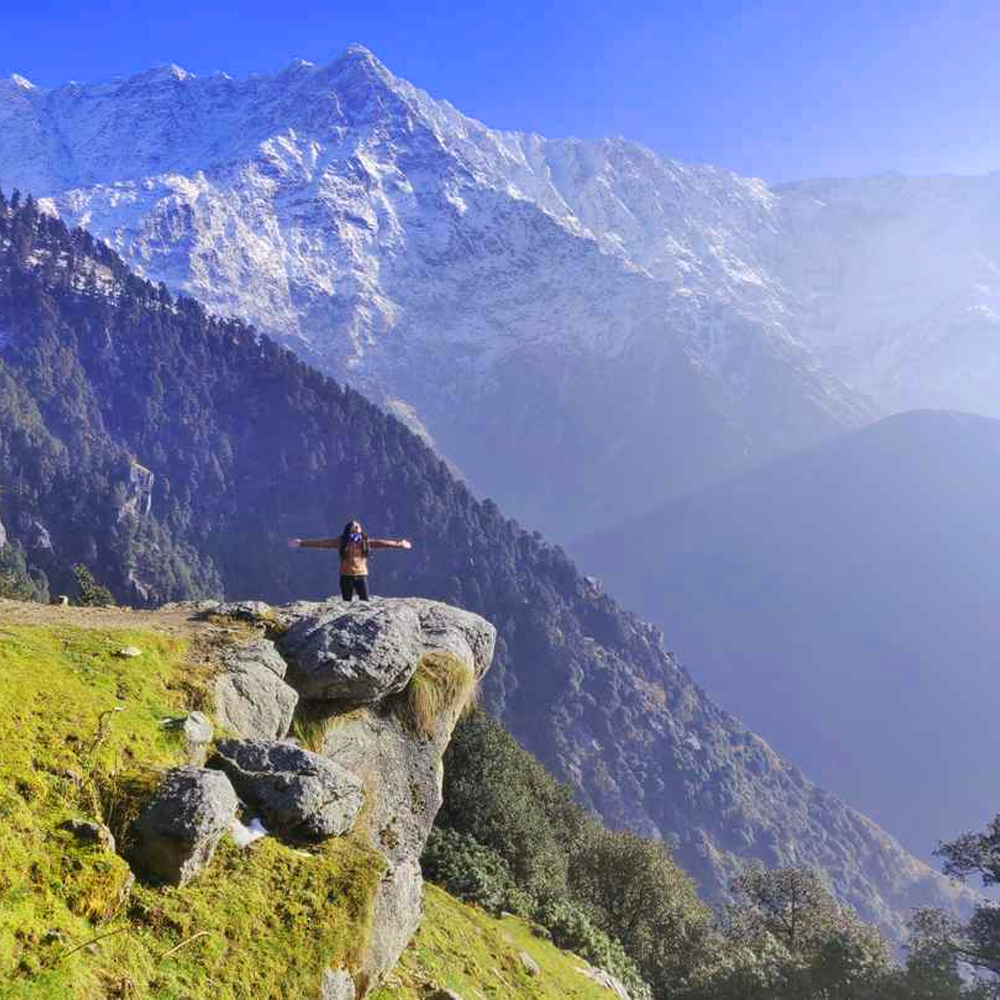
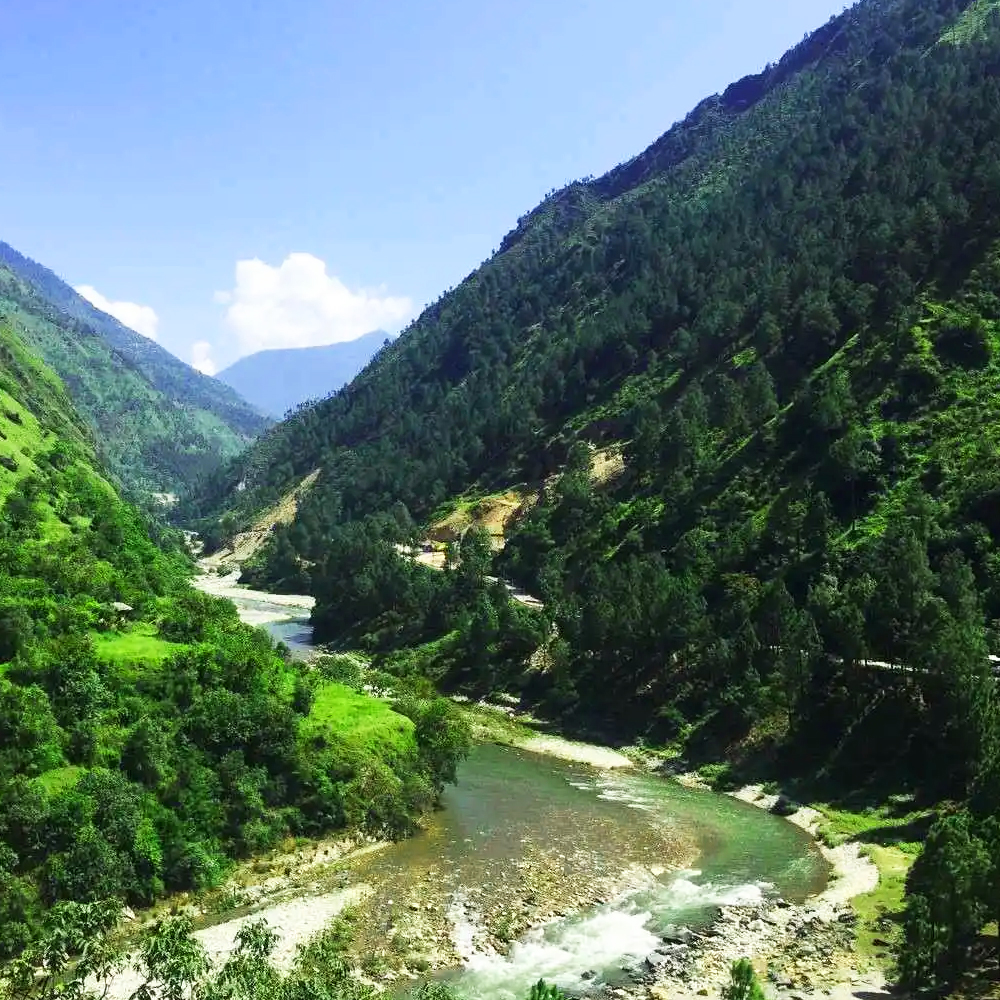
Tirthan Valley isn’t a traditional “wildlife safari” destination like an African savanna with jeep tours to spot large mammals. Instead, its wildlife experience revolves around trekking and birdwatching within the Great Himalayan National Park (GHNP), a UNESCO World Heritage Site.
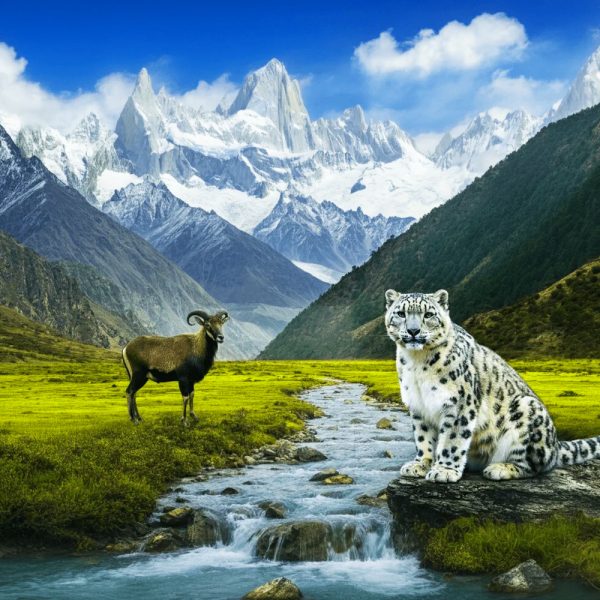
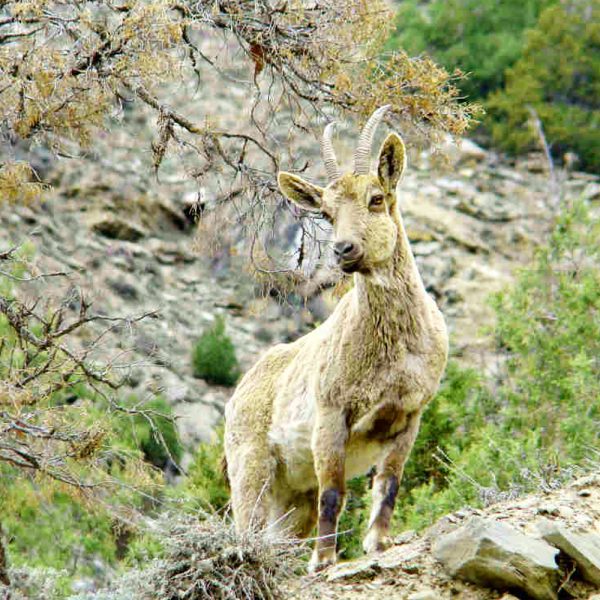
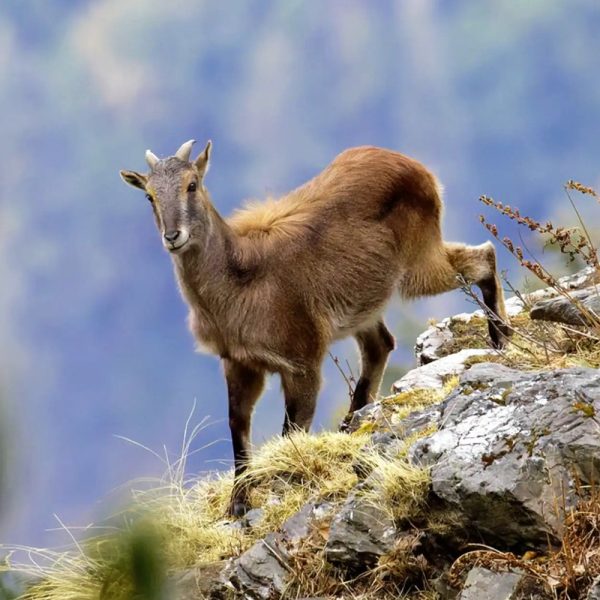
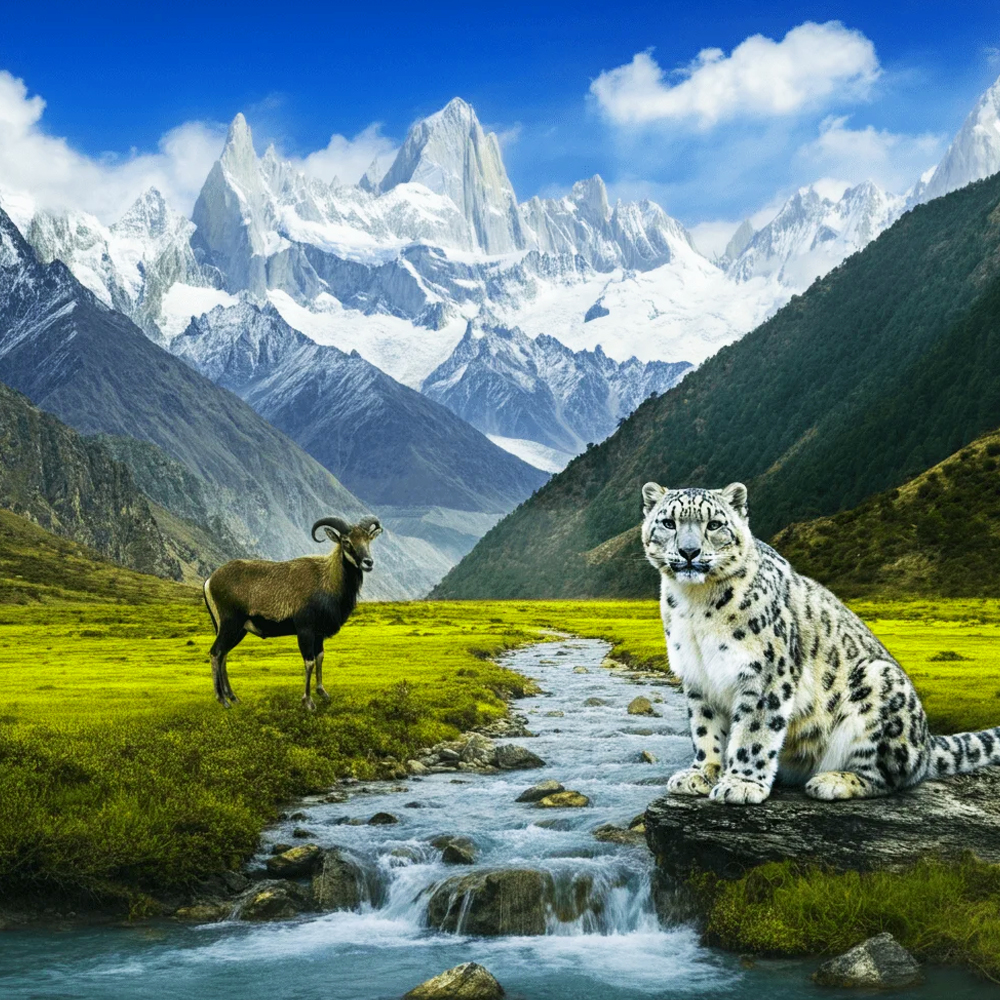
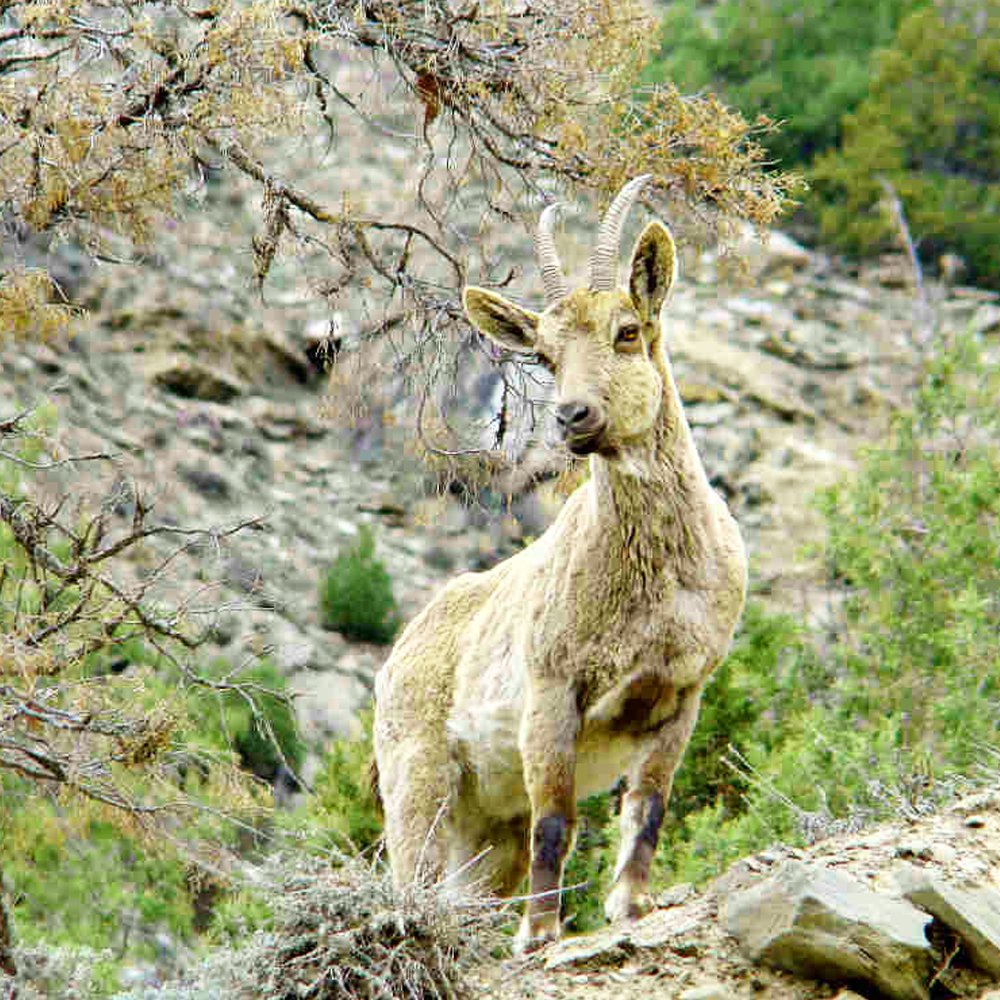
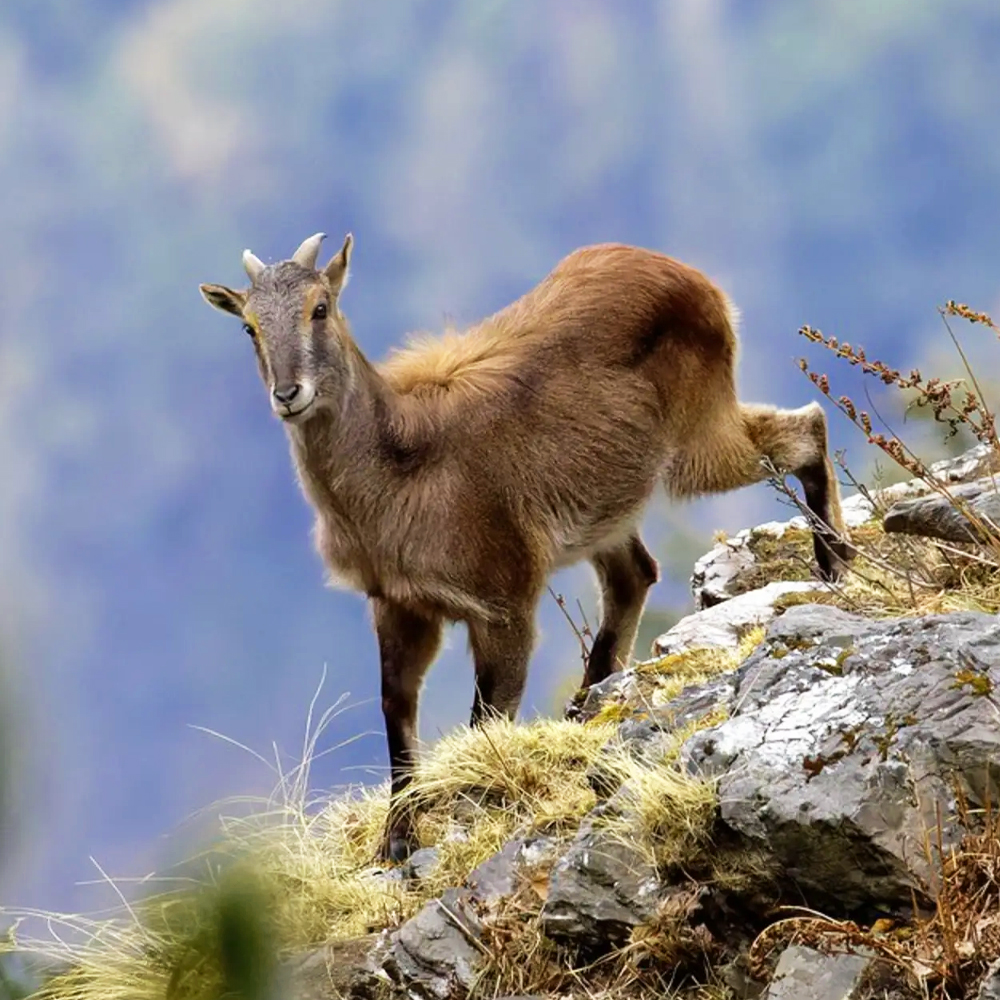
Here, a “safari” means guided walks or multi-day treks deep into the park’s pristine forests and alpine meadows. While elusive species like the snow leopard, Himalayan tahr, and musk deer inhabit GHNP, sightings are rare and require significant effort and luck. Birdwatchers, however, are often rewarded with glimpses of over 300 species, including the vibrant Himalayan Monal and Western Tragopan. It’s an immersive, eco-tourism focused wildlife experience, emphasizing the untouched natural beauty and biodiversity.

Included/Exclude

  • Pick and Drop Services
  • 1 Meal Per Day
  • Cruise Dinner & Music Event
  • Visit 7 Best Places in the City With Group
  • Additional Services
  • Insurance
  • Food & Drinks
  • Tickets

Tour Plan

  • Evening: Depart from Delhi or Chandigarh by overnight Volvo bus to Aut.
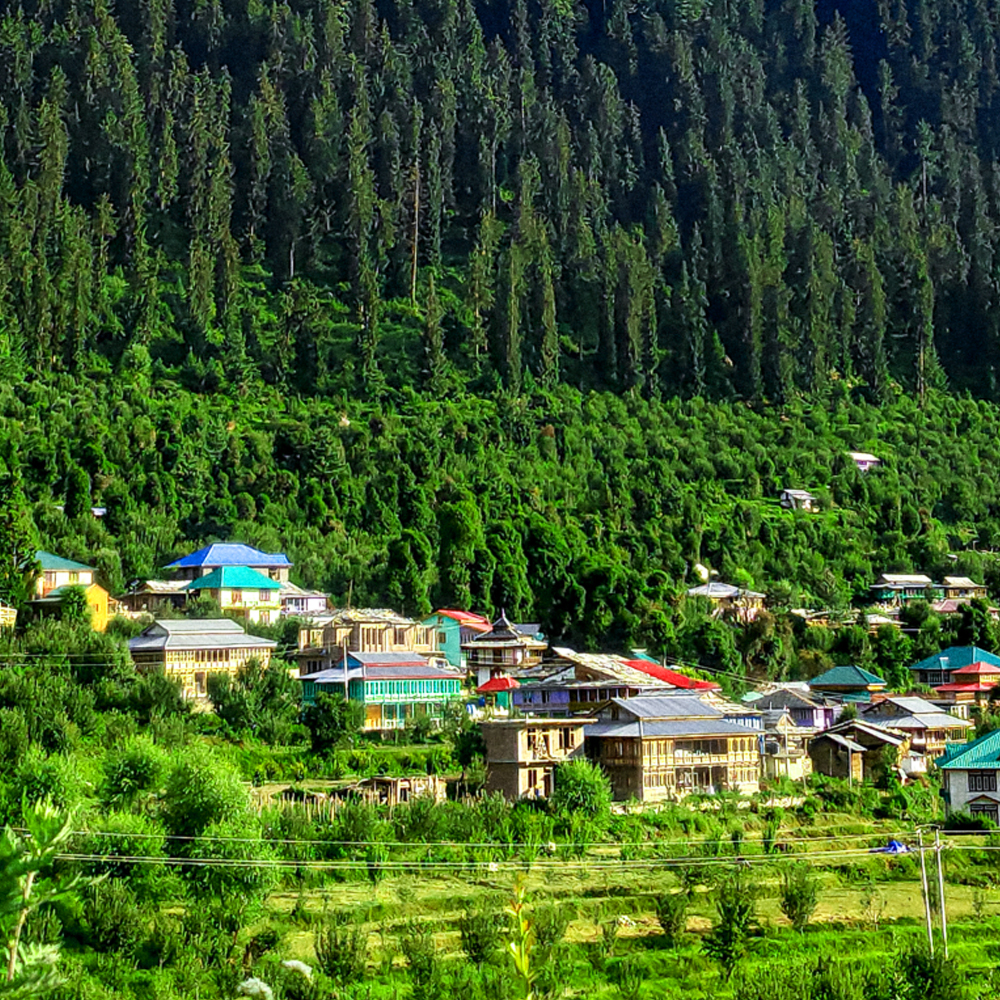
  • Morning: Arrive at Aut (near Kullu) in the morning. From Aut, you'll take a local taxi or shared vehicle to Gushaini (the main village in Tirthan Valley, approx. 1.5-2 hours drive).
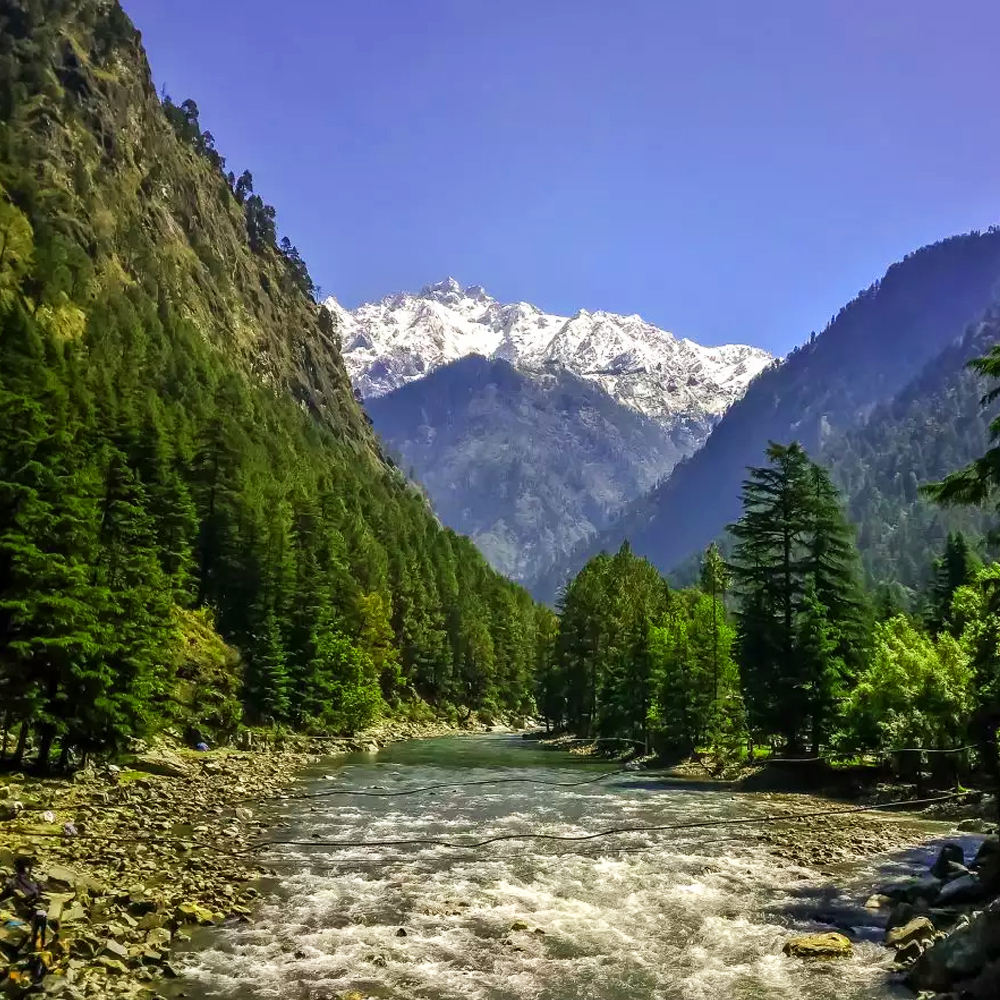
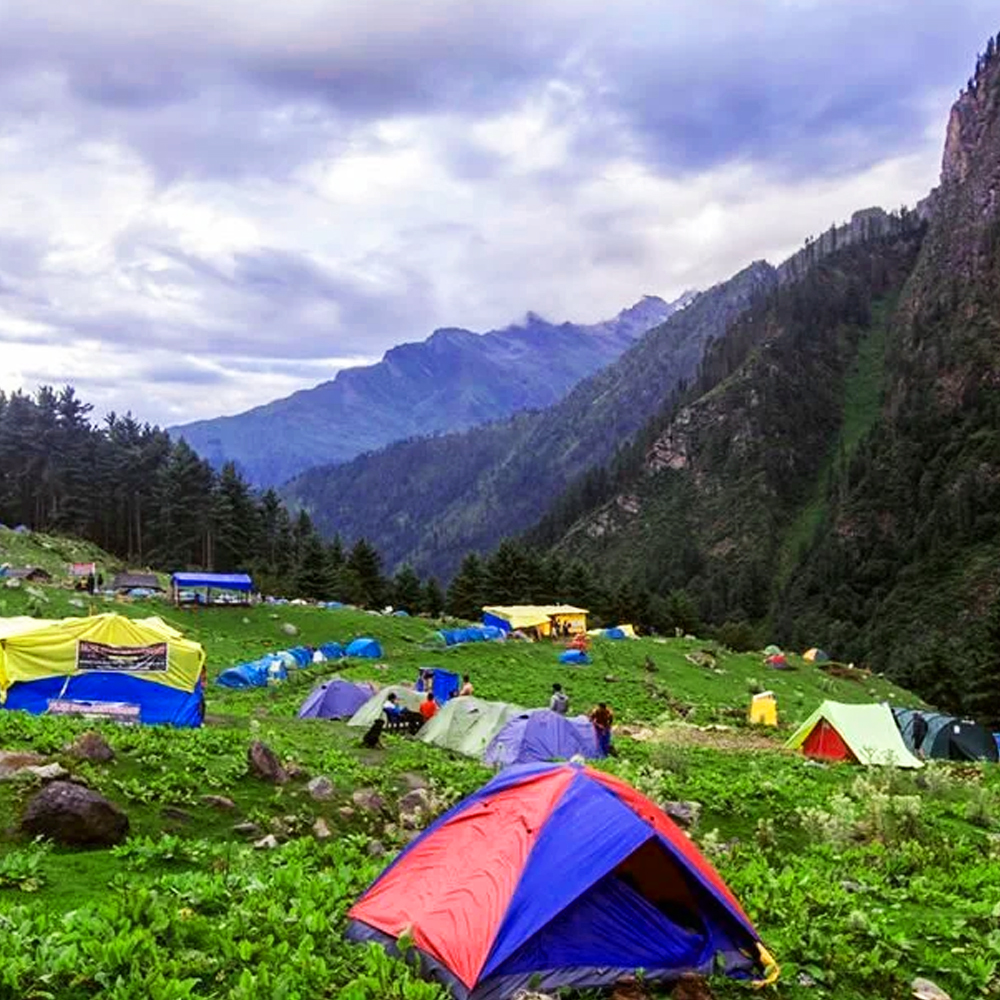
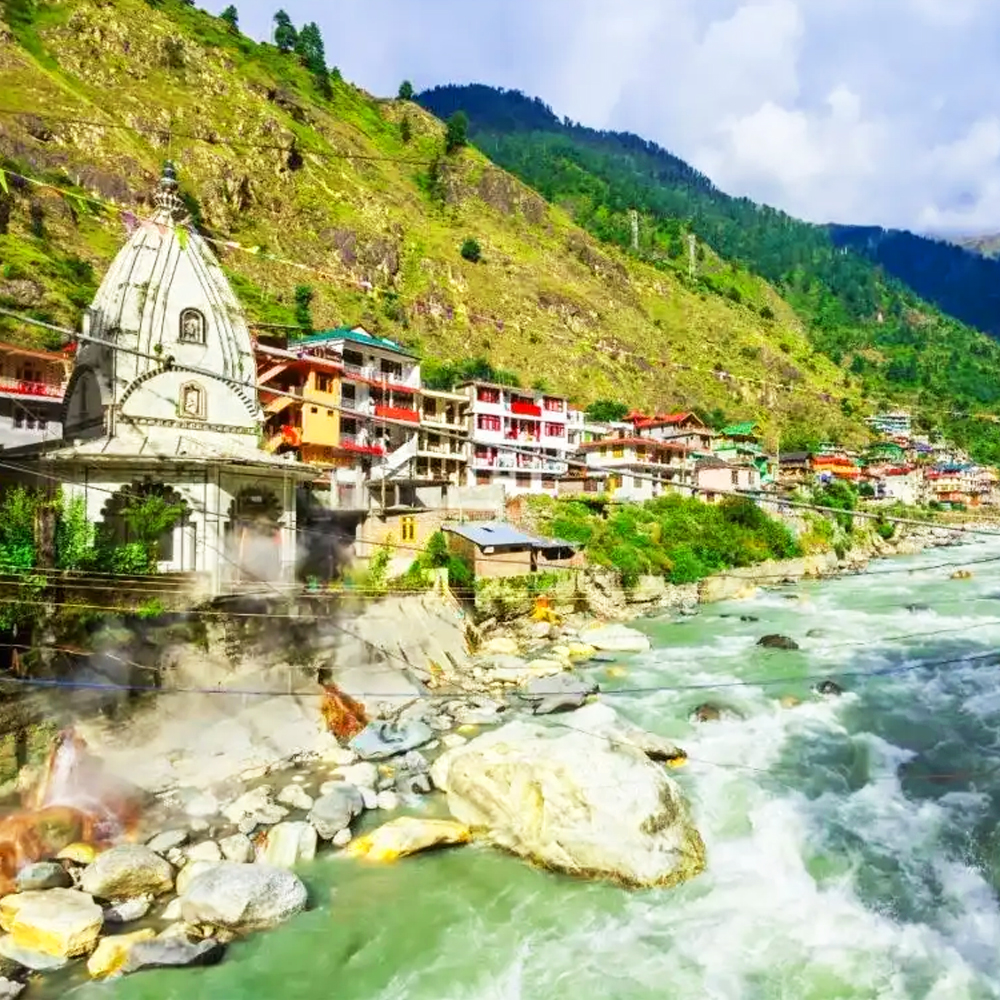
  • Check-in & Acclimatization: Check into your riverside guesthouse or homestay in Gushaini. Spend the afternoon relaxing and acclimatizing to the mountain air. Take a gentle stroll along the Tirthan River.
  • Briefing: Meet your local guide (highly recommended for GHNP treks) for a briefing on the upcoming wildlife and trekking experiences.
  • Overnight: Gushaini.
  • Morning: After an early breakfast, head to the entry point of the Great Himalayan National Park near Gushaini.
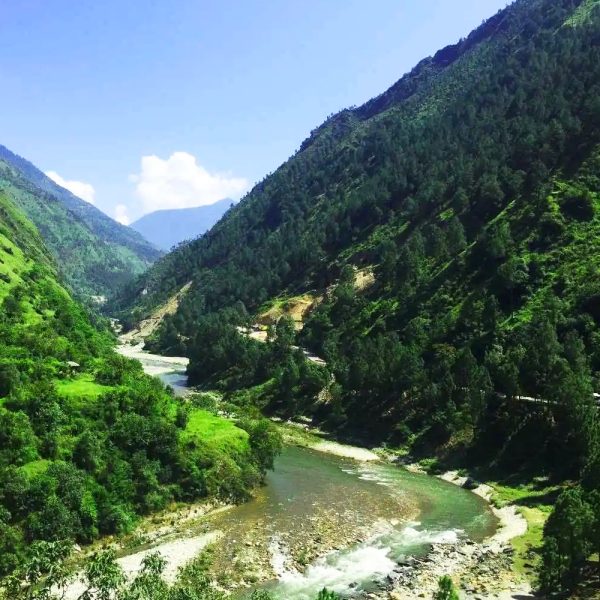
  • Trek to Rolla: Embark on an easy to moderate trek along the Tirthan River into the GHNP buffer zone (Ecozone). The trail to Rolla (approx. 2-3 hours one way, 5-6 km) is relatively flat and takes you through dense forests of deodar and oak.
  • Wildlife Focus: Keep an eye out for diverse bird species, Himalayan langurs, and possibly barking deer. Your guide will help you spot local flora and fauna. This serves as an excellent introduction to the park's biodiversity.
  • Picnic Lunch: Enjoy a packed lunch by the riverside at Rolla.
  • Afternoon: Trek back to Gushaini.
  • Evening: Relax, enjoy a bonfire, and discuss the day's sightings.
  • Overnight: Gushaini.
  • Morning: This day involves a trek to higher altitudes within the GHNP. You might drive part of the way to a higher trailhead (e.g., from Gushaini towards Gai-Dhar or beyond) to gain elevation.
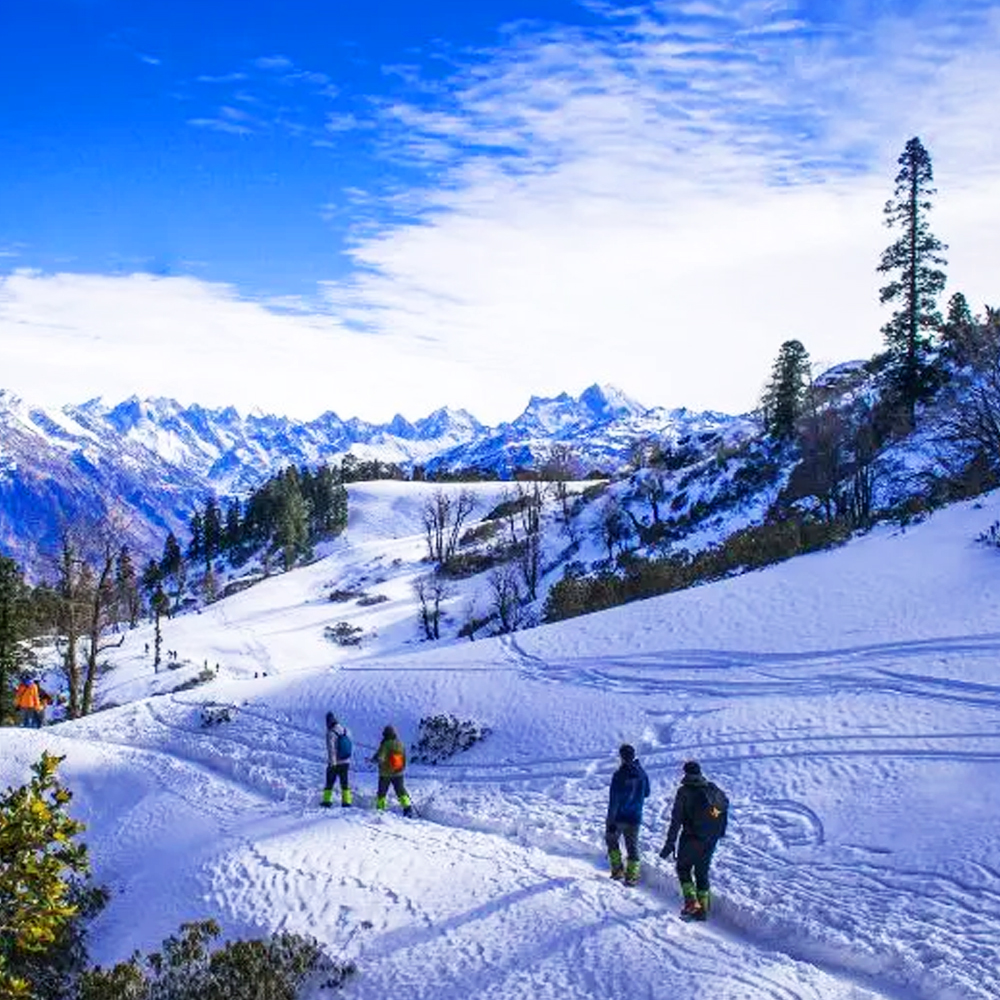
  • Trek to Shilt Hut/Rakhundi: Embark on a moderate to challenging trek (depending on the chosen route, 5-7 hours round trip) to Shilt Hut or Rakhundi Top. These trails offer stunning panoramic views of the GHNP and a greater chance of spotting larger mammals.
  • Wildlife Focus: In these higher meadows and rocky terrains, you might have a chance to spot Himalayan Tahr, Goral, or even the elusive Himalayan Brown Bear (with caution and expert guidance). Birdwatching opportunities increase for high-altitude species. Your guide will prioritize safety and responsible wildlife viewing.
  • Packed Lunch: Enjoy lunch amidst the wilderness.
  • Afternoon: Descend back to the nearest roadhead and transfer to your accommodation.
  • Overnight: Gushaini or a similar ecozone village.
  • Morning: Drive to Jalori Pass (approx. 1.5-2 hours from Gushaini), a scenic mountain pass offering panoramic views.
  • Trek to Serolsar Lake: From Jalori Pass, embark on an easy 1.5-2 hour trek (approx. 5 km one way) through dense oak and pine forests to Serolsar Lake. This serene lake is surrounded by lush greenery and is a great spot for birdwatching.
  • Wildlife Focus: The forest trail to Serolsar Lake is excellent for spotting various Himalayan bird species, including pheasants. Keep an eye out for small mammals.
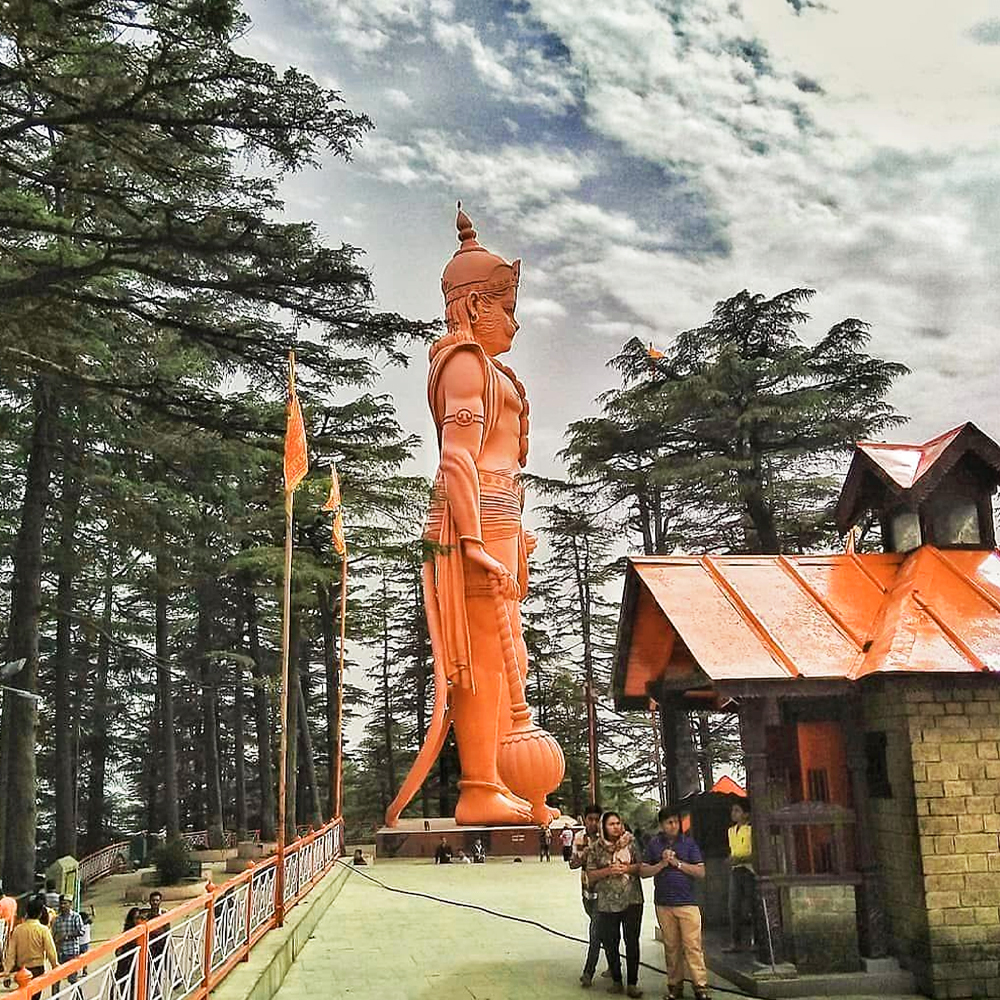
  • Afternoon: Visit the 360-degree viewpoint near Jalori Pass for spectacular vistas. You can also explore the ancient temple at Jalori Pass.
  • Evening: Drive back to Gushaini.
  • Overnight: Gushaini.
  • Morning: Enjoy a relaxed morning. You can engage in some gentle riverside activities.
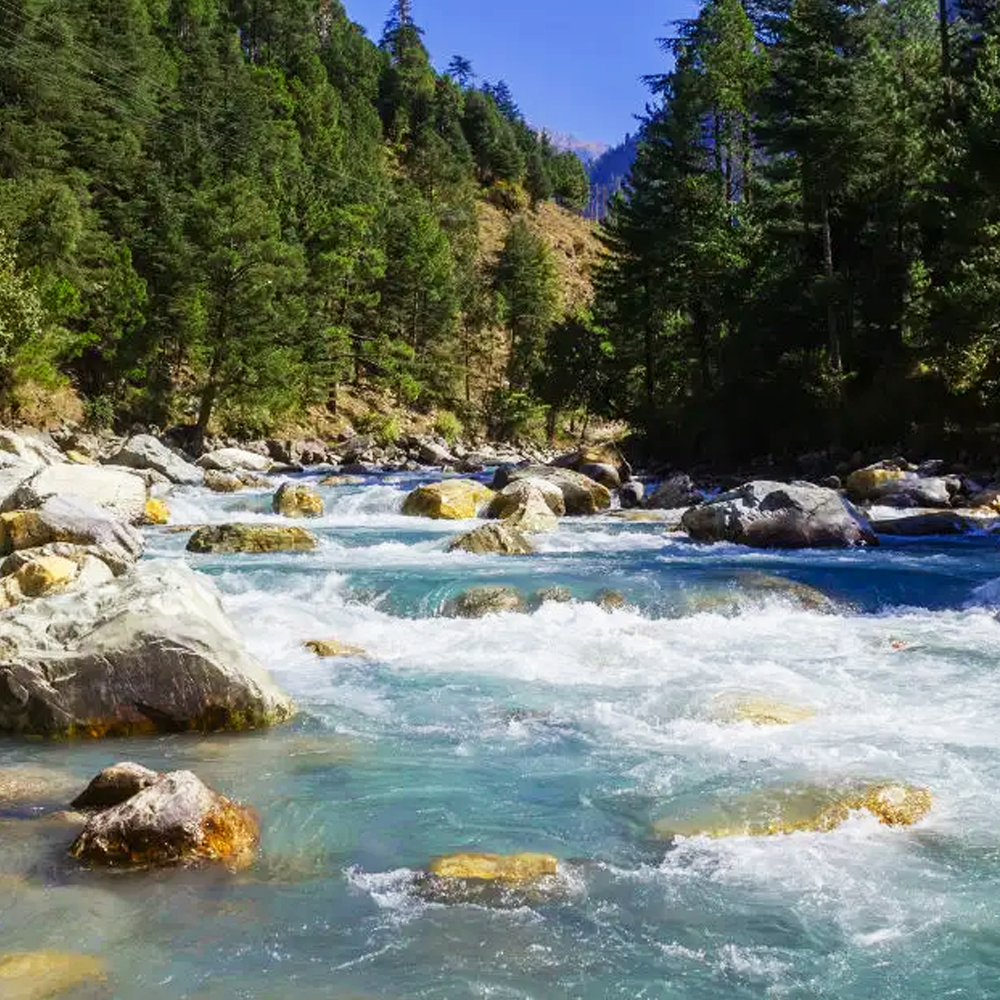
  • Trout Fishing (Angling): Tirthan River is famous for its trout. You can try trout angling (with a permit, which can be arranged by your guide/homestay) – a peaceful way to observe riverine wildlife.
  • Birdwatching by the River: The riverbanks are excellent for spotting various water birds and other local avian species.
  • Choie Waterfall Trek: Take a short, easy trek to the picturesque Choie Waterfall, another beautiful spot for nature observation.
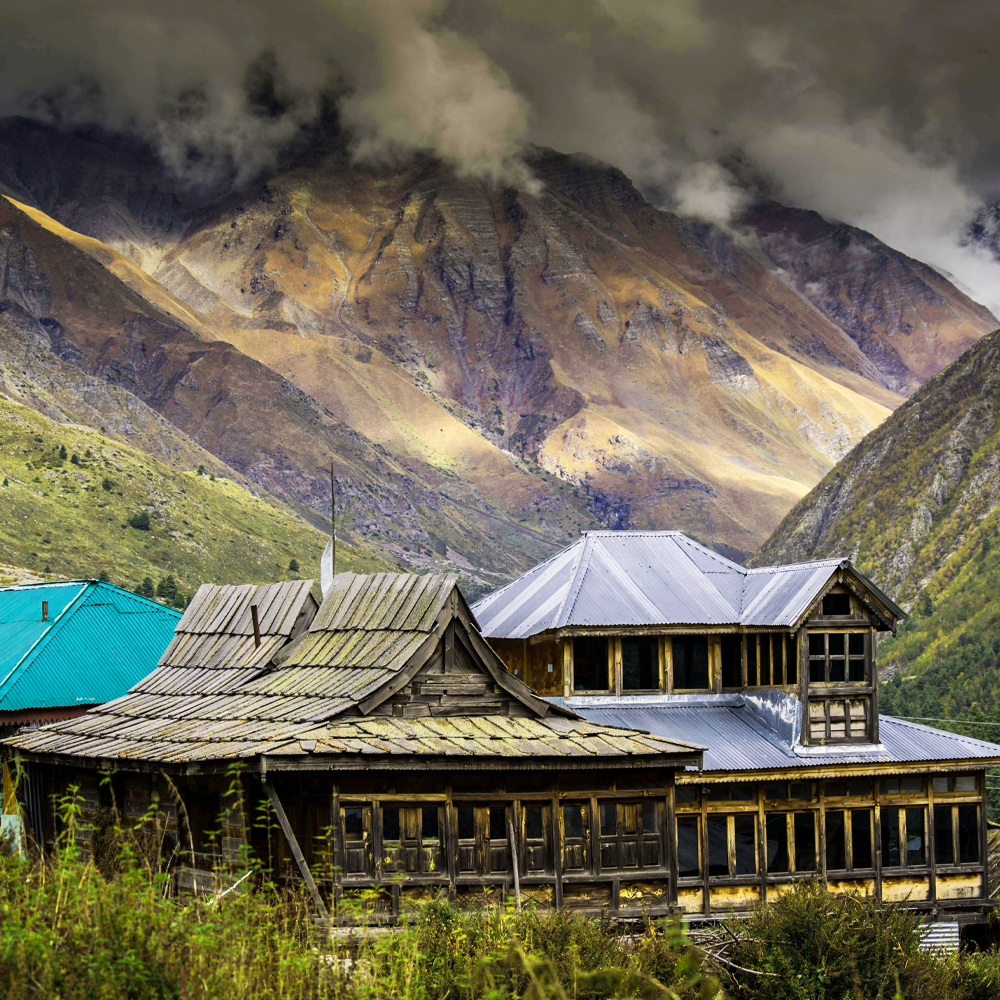
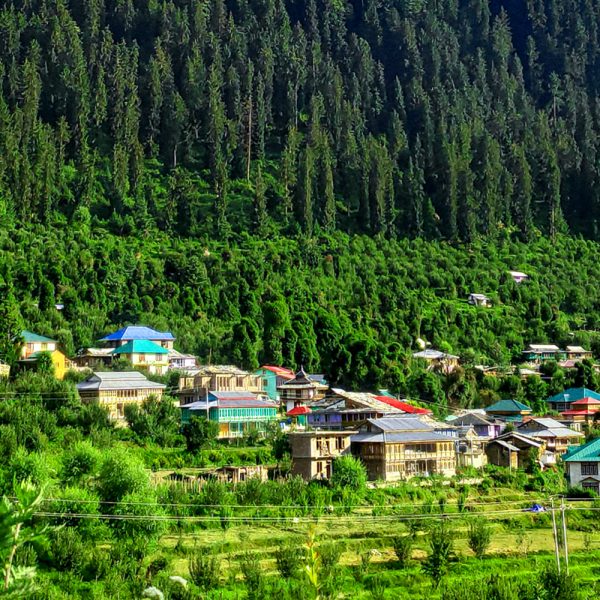
  • Local Village Exploration: Visit a traditional Himachali village nearby (e.g., Nagini, Sai Ropa) to experience local life and observe the unique architecture. This offers a chance to see domestic animals and understand the human-wildlife interface in the valley.
  • Optional: If time and interest permit, you could also visit the UNESCO-protected Chaini Kothi, a towering traditional fort-like structure.
  • Overnight: Gushaini.
  • Morning: After breakfast, check out from your accommodation.
  • Transfer: Take a taxi or shared vehicle back to Aut.
  • Departure: Board your overnight bus from Aut back to Delhi or Chandigarh, carrying memories of Tirthan Valley's pristine wilderness and unique wildlife encounters.
  • GHNP Regulations: Entry into the core zone of the Great Himalayan National Park requires permits and must be accompanied by a licensed guide. This is crucial for conservation and safety. Your tour operator or homestay host can usually arrange this.
  • "Safari" is on Foot: Unlike African safaris, there are no jeep safaris here. Wildlife spotting is primarily through quiet trekking and patient observation.
  • Elusive Wildlife: Spotting rare animals like Snow Leopards or Brown Bears is highly dependent on luck, season, and the specific trek. While their presence is known, guaranteed sightings are rare. Focus on the overall biodiversity and the stunning natural habitat.
  • Best Seasons: For optimal wildlife viewing and pleasant trekking, stick to April-June and September-November.
  • Guides: Hiring local, experienced guides is essential. They know the terrain, the best spots for sightings, animal behavior, and safety protocols. They also ensure you adhere to park regulations.
  • Packing:
    • Clothing: Layered clothing is essential. Warm jackets, thermals, waterproof and windproof outer layers, and comfortable trekking trousers.
    • Footwear: Sturdy, waterproof trekking boots with good ankle support.
    • Gear: Daypack, water bottles, headlamp/flashlight, power bank, sun hat, sunglasses, sunscreen, insect repellent.
    • Wildlife Specific: Binoculars (highly recommended for birdwatching and distant animal spotting), a good camera with a zoom lens, a wildlife identification book (optional).
  • Acclimatization: Always allow your body to adjust to the altitude, especially on the first day. Stay hydrated.
  • Leave No Trace: Follow responsible tourism practices. Do not litter, do not disturb wildlife, and respect the natural environment.
  • Medical Kit: Carry a personal first-aid kit, including medications for altitude sickness, pain relievers, bandages, antiseptic, etc.

This itinerary offers a good balance of trekking, wildlife observation (especially birds and smaller mammals), and experiencing the serene beauty and culture of Tirthan Valley. Enjoy your adventure!

Related Tours

Review Scores

No reviews yet

Add a Comment

Your email address will not be published.

  • Quality
  • Location
  • Amenities
  • Services
  • Price

Booking Tour

Tour Information

Max Guests

50

Min Age

Tour Location

Languages Support

Last Minute Deals